Moving into a care home can be a significant change in someone's life. While having the right level of care and support is important, feeling connected to other people and continuing to enjoy meaningful relationships can be just as valuable.
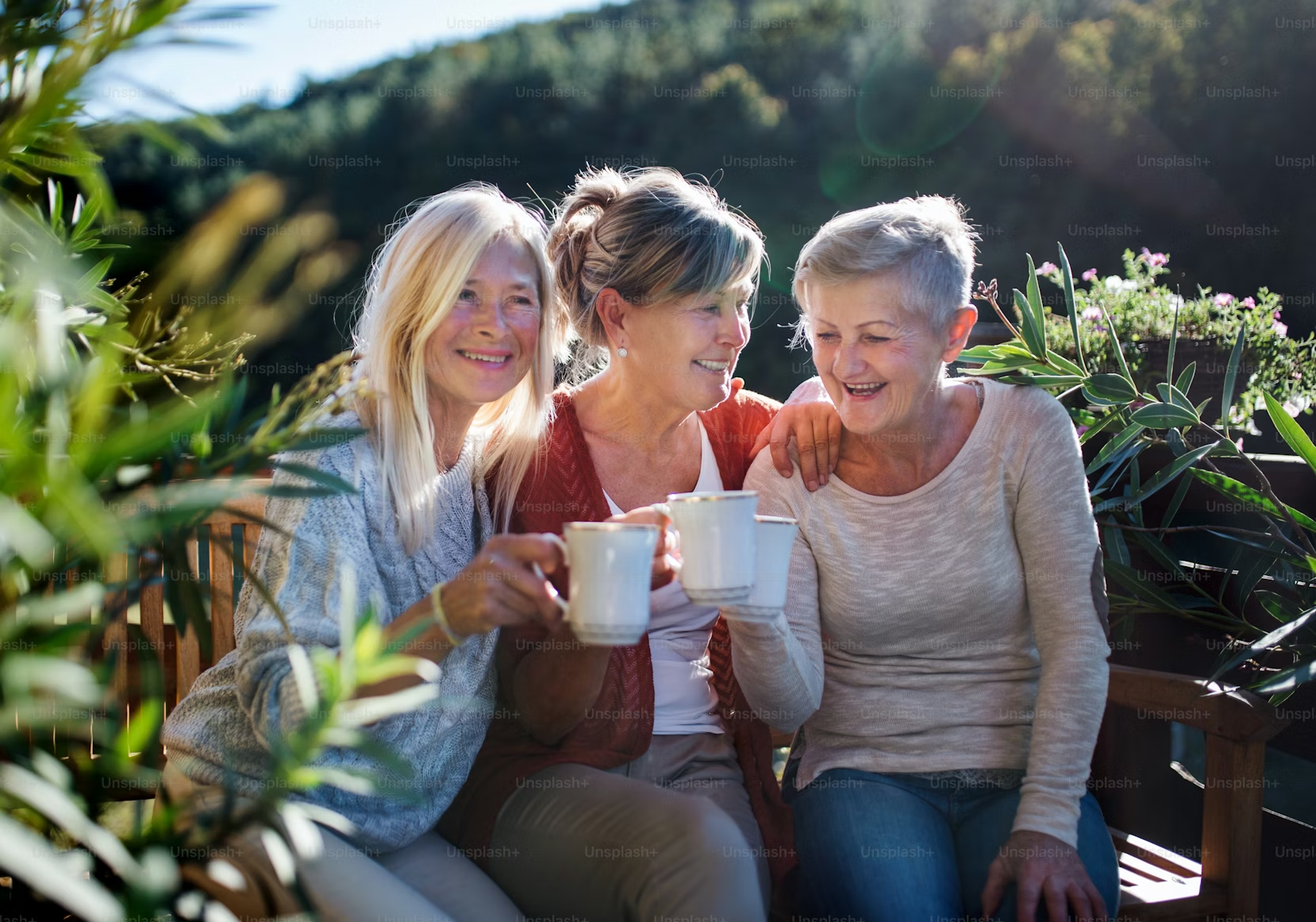
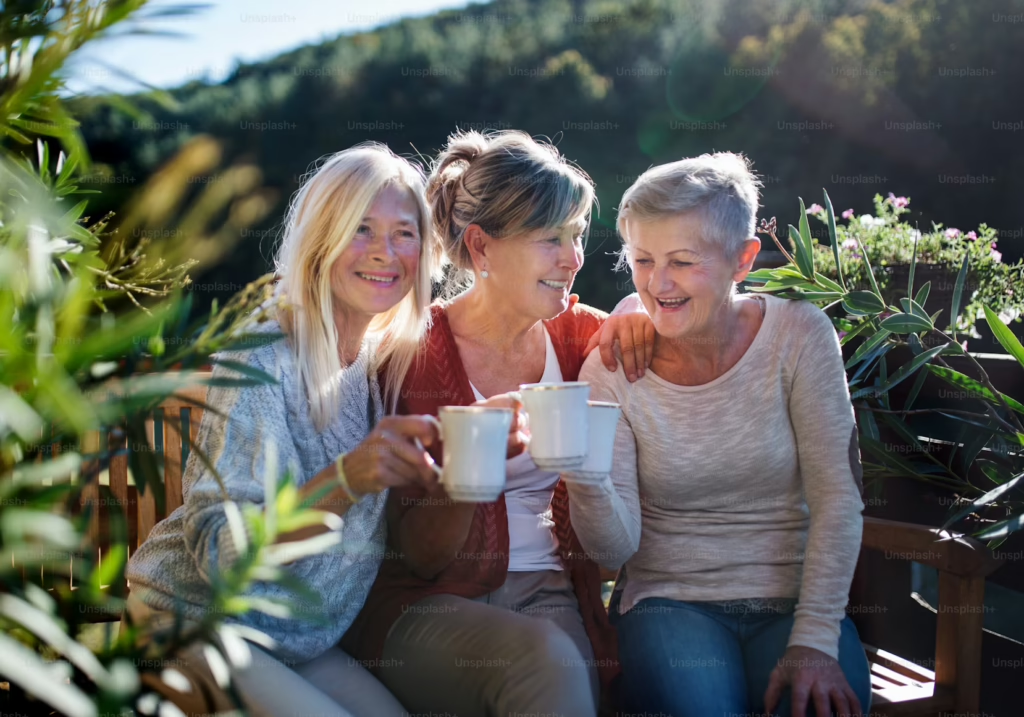
Social connection can take many forms. It might be chatting with a friend over a cup of tea, sharing a meal with other residents, taking part in a group activity, welcoming family members for a visit or enjoying a trip into the local community.
For some residents, one particularly rewarding part of care home life can be meeting people of different generations. Visits from local nurseries and schools can create opportunities for older residents and younger people to spend time together, share experiences and enjoy each other's company.
At Angusfield House Care Home in Aberdeen, we believe that care home life should be about more than providing support. It should also provide opportunities for residents to build relationships, pursue interests and remain connected with the people and community around them.
Why Is Social Connection Important in Later Life?
Human connection remains important at every stage of life.
As people get older, opportunities for regular social interaction can sometimes become less frequent. Retirement, changes in mobility, losing a partner or friends, or moving away from a familiar neighbourhood can all affect someone's social life. A care home can provide a new opportunity to build connections.
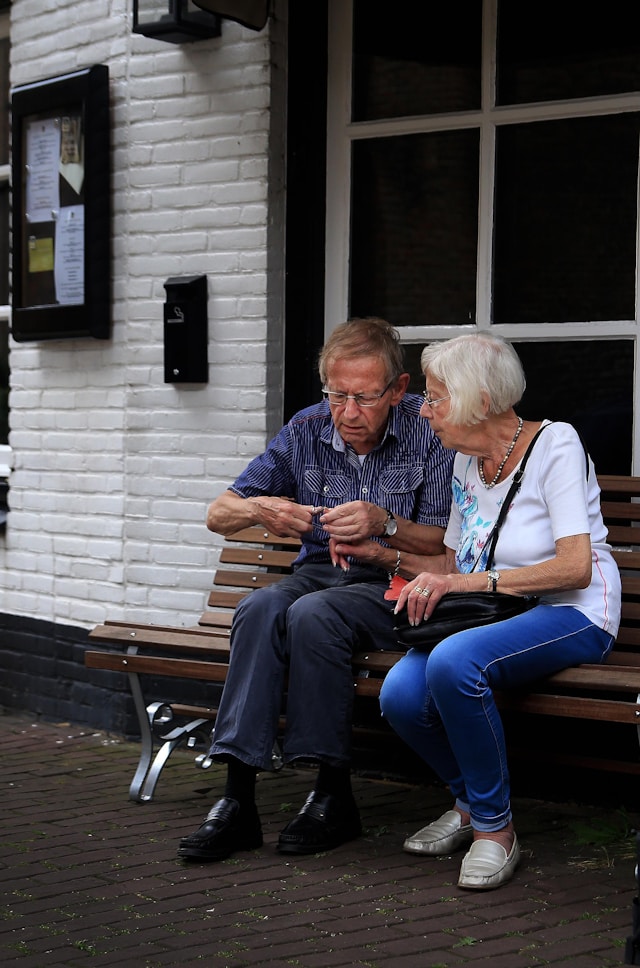
Living alongside other residents means there are people to talk to, share experiences with and spend time with throughout the day. Friendships can develop naturally through shared interests, mealtimes, activities and everyday conversations.
Having people around can help create a sense of belonging and make a care home feel more like a community.


Building Friendships Between Residents
One of the benefits of living in a care home is having the opportunity to meet people with different backgrounds, personalities and life experiences.
Residents may discover that they share a love of gardening, music, films, sport, books or simply enjoy sitting together and having a conversation.
Friendships do not have to develop through organised activities. Sometimes they begin with something as simple as sitting beside someone at lunchtime or having a chat in one of the communal areas.
For residents who enjoy being sociable, these everyday interactions can become an important part of their routine.
At the same time, it is important to recognise that everyone is different. Some residents may enjoy busy social environments, while others may prefer quieter conversations or spending time independently. Person-centred care means respecting these preferences and allowing people to decide how they would like to spend their time.
The Role of Family and Friends
Moving into a care home does not mean that family relationships need to change.
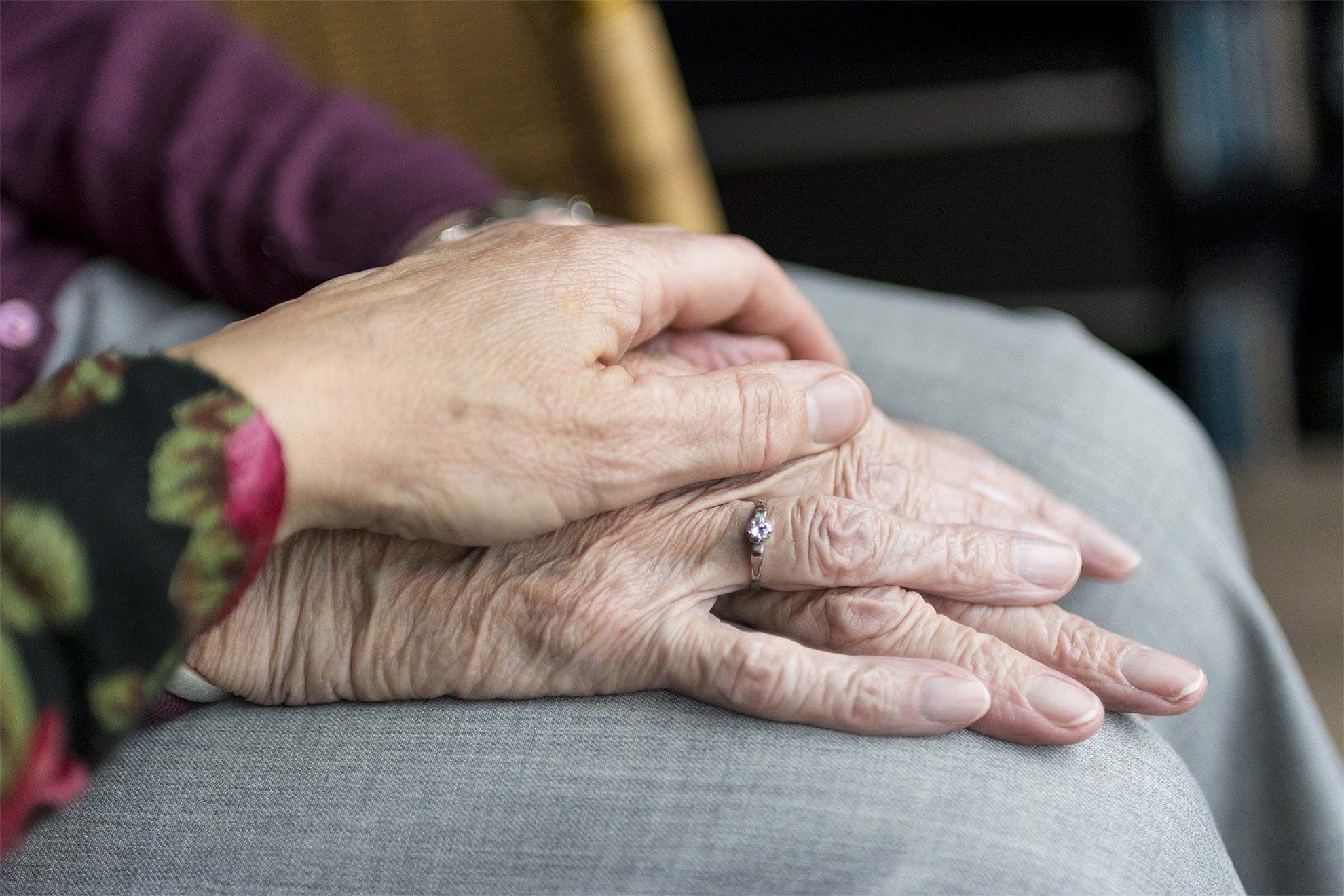
Regular visits from children, grandchildren, siblings, friends and other loved ones can remain an important part of everyday life. Family members can continue to share meals, celebrate birthdays, enjoy activities together or simply sit and talk.
For residents living with dementia, familiar faces can be particularly reassuring. A familiar voice, smile or conversation can provide comfort and help maintain a sense of connection.
Visits can also become more enjoyable when families take part in everyday activities together rather than feeling that they need to find something special to do every time they visit.
A family member might bring in photographs, listen to music with their loved one, help with gardening or enjoy a cup of tea together. These simple moments can become meaningful parts of care home life.
Intergenerational Visits and Meaningful Connections
Social connection does not have to be limited to people of a similar age.
Intergenerational visits can bring something particularly special to care homes by creating opportunities for older residents and younger people to spend time together.
Visits from local nurseries and schools can introduce residents to children who may have very different experiences of the world. At the same time, children can benefit from spending time with older generations and hearing stories, learning about the past and enjoying shared activities. There can be something wonderfully natural about these interactions.
A child might show a resident a drawing they have made, read a story, sing a song or simply sit and chat. Residents may share stories about their childhood, family or working lives. These conversations can provide opportunities for residents to share their knowledge and experiences, while children can bring enthusiasm, curiosity and energy into the home.
For residents who have grandchildren or great-grandchildren, intergenerational activities can also feel particularly familiar and meaningful.
Sharing Stories and Experiences
Older people have a lifetime of experiences to share.
Social activities and conversations can provide opportunities for residents to talk about their childhood, careers, hobbies, family life and important moments from their past.
Reminiscence can be a particularly enjoyable way of encouraging these conversations. Looking through old photographs, listening to music from someone's younger years or discussing historical events can provide natural conversation starters.
These experiences can also help staff and other residents get to know someone beyond their care needs. A person's past can tell us a great deal about what they enjoy today. Someone who spent years working with plants may enjoy gardening, while someone who loved dancing might enjoy music and movement activities.
Understanding these interests helps create opportunities for more personalised and meaningful experiences.
Activities Can Bring People Together
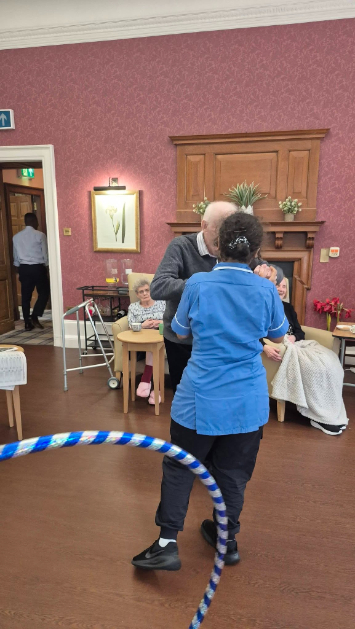
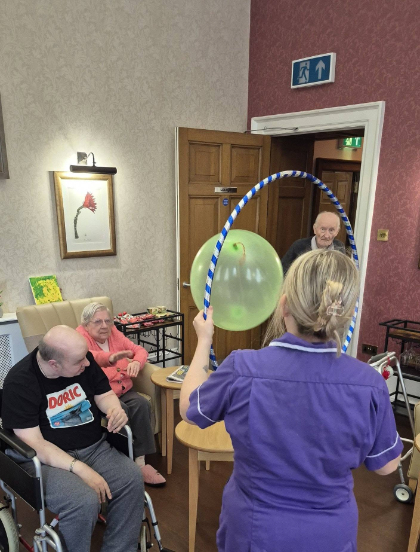
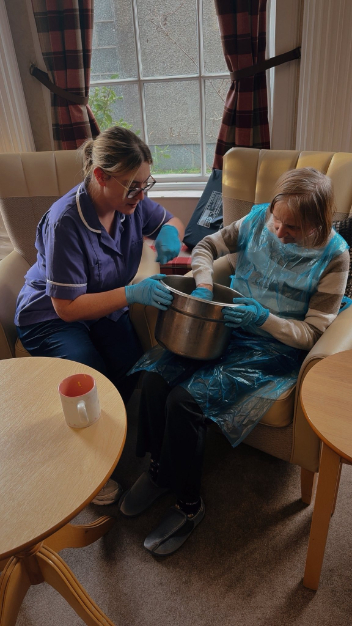
Activities are another important part of social life in a care home. Group activities can provide residents with an opportunity to spend time together while doing something enjoyable. This might include arts and crafts, quizzes, baking, gardening, music, exercise or seasonal celebrations.
Activities do not have to be complicated to be meaningful.
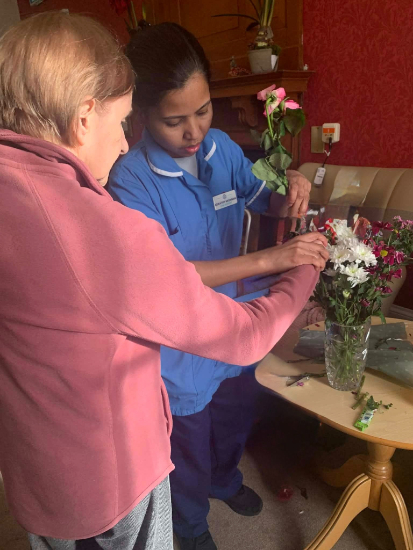
Something as simple as baking together can lead to conversations about favourite recipes and family traditions. A gardening session can encourage residents to share memories of their own gardens. A music activity can bring people together through familiar songs.
The important thing is that activities provide opportunities for residents to participate in ways that suit their interests and abilities.
Connecting With the Local Community
A care home can be an important part of its local community rather than being separate from it.
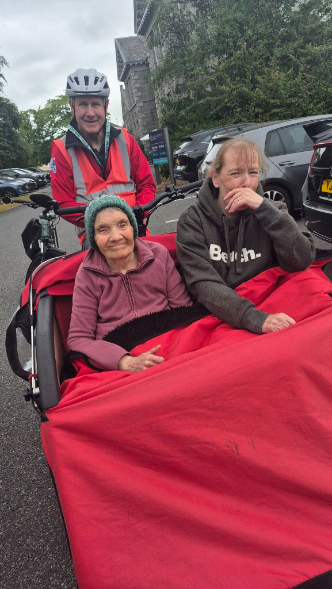
Trips and outings can provide residents with opportunities to continue enjoying places and experiences outside the home. Depending on individual mobility and preferences, this might include visiting local attractions, going shopping, enjoying a café, visiting a garden or simply taking a drive through familiar areas.
Local community connections can also come into the home. Visits from community groups, entertainers, schools, nurseries and local organisations can bring new experiences to residents while helping maintain a connection with the wider area.
For a resident who has lived in Aberdeen for many years, continuing to feel connected to the local community can be an important part of maintaining their sense of identity.
Social Connection Can Support a Sense of Belonging
A care home should feel like somewhere residents belong.
That sense of belonging can develop through relationships, familiar routines, shared experiences and opportunities to participate in everyday life. It might be enjoying breakfast with other residents each morning, looking forward to a weekly activity, chatting with a member of the care team or seeing familiar faces during a family visit.
Over time, these small moments can help transform an unfamiliar environment into somewhere that feels comfortable and familiar.
Supporting Residents to Stay Connected
Every resident will have their own preferences when it comes to socialising.
Some people may naturally enjoy being around others, while others may be more comfortable in smaller groups or one-to-one conversations. Someone who was previously very social may also become quieter as their needs change.
This is why social connection should form part of a wider person-centred approach.
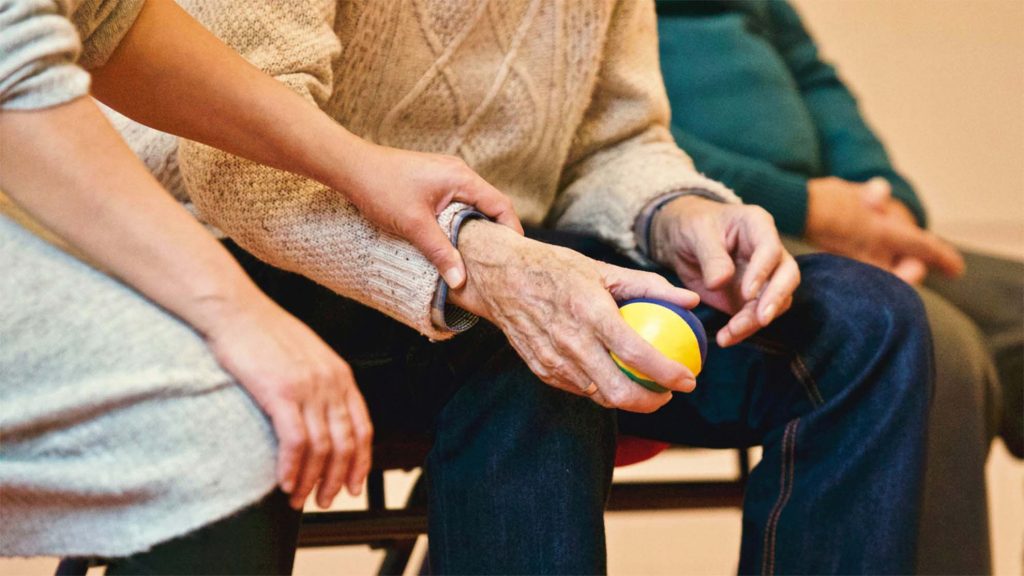
Care teams can take time to understand what each resident enjoys, who is important to them and what makes them feel comfortable. Families can also share information about hobbies, friendships, past experiences and routines that may help staff create meaningful opportunities for connection.
For someone living with dementia, this understanding can be particularly valuable. Familiar people, places, music and activities may help provide reassurance and opportunities for communication, even when verbal communication becomes more difficult.
Creating a Connected Community at Angusfield House
At Angusfield House Care Home in Aberdeen, we understand that a fulfilling care home experience is about more than receiving the right care and support. It is also about having opportunities to enjoy everyday life, build relationships and remain connected to the people and interests that matter.
From spending time with fellow residents and welcoming family members to taking part in activities, enjoying celebrations and maintaining links with the wider community, there are many ways social connection can become part of daily life.
Intergenerational visits can be particularly special, giving residents the opportunity to meet younger members of the community, share experiences and enjoy moments of genuine connection.
Every resident has their own story, personality and preferences. By getting to know the individual, our team can help create opportunities for social interaction that feel natural, enjoyable and meaningful.
Staying Connected in Later Life
Social connection can bring warmth, purpose and enjoyment to everyday life. Whether it is a conversation over breakfast, a family visit, a shared activity, a trip into the community or the excitement of welcoming children from a local nursery, these moments can make a meaningful difference to life in a care home.
At Angusfield House, our friendly team are committed to creating a welcoming environment where residents can continue to enjoy the relationships, activities and experiences that matter to them.
If you would like to find out more about life at Angusfield House Care Home in Aberdeen, get in touch with our friendly team or arrange a visit. We would be delighted to welcome you and show you around our home.