
Choosing the right type of care for yourself or a loved one can feel overwhelming. Families are often faced with unfamiliar terminology and difficult decisions at a time when emotions are already running high. One of the most common questions people ask when exploring care options is: What is the difference between residential care and nursing care?
While both provide a safe, supportive environment for older adults, there are important differences between the level of care available. Understanding these differences can help families make informed decisions and find a care setting that not only meets current needs but can also support changing requirements in the future.
At Angusfield Care Home in Aberdeen, we understand that no two residents are the same. That is why it is important to consider not only the care someone needs today, but also what they may need in the months and years ahead.
What is Residential Care?
Residential care is designed for older adults who may no longer feel comfortable or safe living independently but do not require regular nursing intervention.
Many residents move into residential care because daily tasks have become more difficult. They may need support with personal care, medication management, housekeeping, mobility, or preparing meals. Equally important, they may benefit from companionship, social interaction, and the reassurance of having support available around the clock.
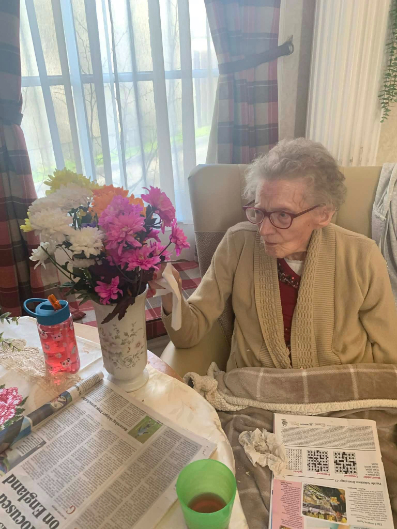
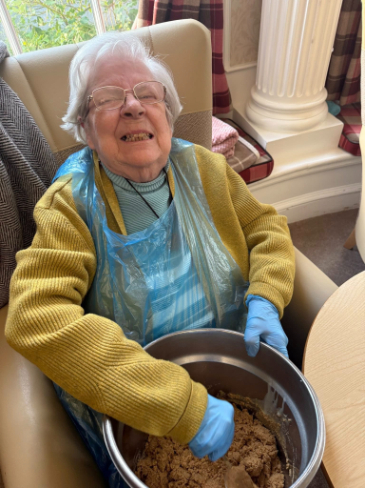
A residential care home provides a welcoming community where residents can enjoy their independence while receiving as much support as they need. Care teams are available 24 hours a day, helping residents maintain their routines and continue enjoying life with confidence.
For many people, residential care offers the perfect balance between independence and support.
What is Nursing Care?
Nursing care provides all the benefits of residential care but includes the additional expertise of qualified nurses who are available to deliver clinical care and monitor more complex health needs.
Nursing care is often suitable for individuals living with long-term health conditions, physical disabilities, complex medical requirements, or those recovering from illness or surgery. Residents may require regular assessments, wound management, specialist medication administration, or ongoing healthcare monitoring that can only be provided by trained nursing professionals.
The goal remains the same as residential care: helping residents live comfortably, safely, and with dignity. The difference is that nursing care provides an additional layer of medical support whenever it is required.
Understanding a Nursing Care Plan
One of the most important parts of nursing care is the nursing care plan.
A nursing care plan is a personalised document that outlines a resident’s health needs, goals, treatments, and daily support requirements. It acts as a roadmap for the care team, ensuring everyone involved understands how best to support the individual.


A good nursing care plan is not static. It is regularly reviewed and updated as a resident’s needs change. This allows care teams to respond quickly to new health concerns while continuing to deliver person-centred care that reflects the individual's preferences, routines, and wishes.
Families often find reassurance in knowing there is a clear plan in place that guides every aspect of their loved one's care.
How Do You Know Which Type of Care is Right?
The right choice depends entirely on the individual's needs.
Someone who requires assistance with daily living but remains relatively well medically may thrive in a residential care setting. However, if a person has ongoing health conditions that require clinical oversight, nursing care may be more appropriate.
The challenge is that care needs rarely stay the same forever.
Many older adults begin their journey in residential care and later require additional nursing support. Others may initially enter a care home for a short respite stay before deciding that permanent care would improve their quality of life. Some residents receiving nursing care may eventually require palliative care as they approach the later stages of life.
This is where choosing a care home that offers a continuum of care can make a significant difference.
What is a Continuum of Care?
A continuum of care means a care home can provide different levels of support as a resident's needs evolve.
Rather than moving to an entirely different home, meeting new staff, and adjusting to unfamiliar surroundings, residents can often remain within the same community they already know and trust.
For example, someone may initially move into residential care because they need help with daily living. Over time, their health may become more complex, requiring regular nursing input. In a care home offering a continuum of care, they can transition into nursing care without losing the relationships, routines, and sense of familiarity that have become so important to them.
Similarly, if a resident later requires palliative care, this support can often be provided within the same home, surrounded by familiar faces and in an environment where they feel safe and comfortable.
For families, this continuity offers invaluable peace of mind. It means care can adapt alongside changing needs without the disruption and stress of another move.


Why Continuity Matters
Moving into a care home is a significant life change. Residents invest time building friendships, establishing routines, and creating a sense of belonging.
When care needs increase, having to relocate can be unsettling and emotionally challenging. A continuum of care helps avoid unnecessary disruption by allowing support to increase naturally within the same environment.
This continuity is particularly valuable for those living with dementia or complex health conditions, where familiarity and consistency can have a positive impact on wellbeing and confidence.
Families also benefit from developing long-term relationships with care teams who understand their loved one's history, preferences, and individual needs.
Choosing the Right Care Home in Aberdeen
When comparing care homes, it is important to look beyond immediate care needs and consider the future.
Ask whether the home offers multiple levels of care. Find out how care plans are reviewed and adapted over time. Consider whether residents can remain in the home if their needs change.
A care home should not simply meet today's requirements. It should provide reassurance for tomorrow as well.
At Angusfield Care Home in Aberdeen, we understand that choosing care is one of the most important decisions a family can make. Our compassionate team takes the time to understand every resident as an individual, creating personalised care plans that support both their current needs and future wellbeing. Whether someone requires residential care, nursing care, or more specialist support later in life, our focus is always on providing comfort, dignity, and continuity in a place residents are proud to call home.