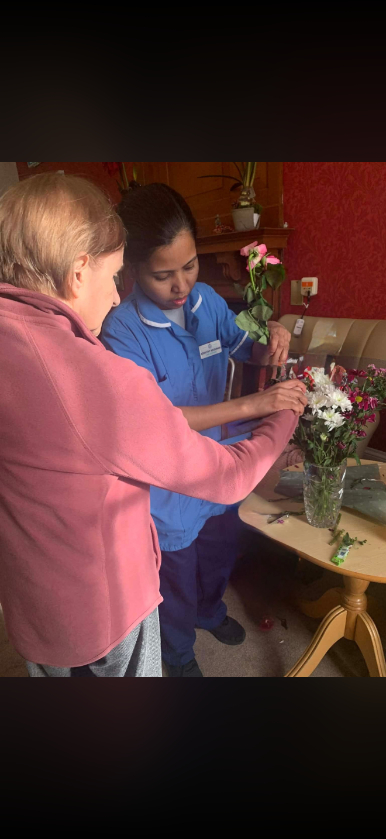
The Importance of Care Home Gardens for Resident Wellbeing
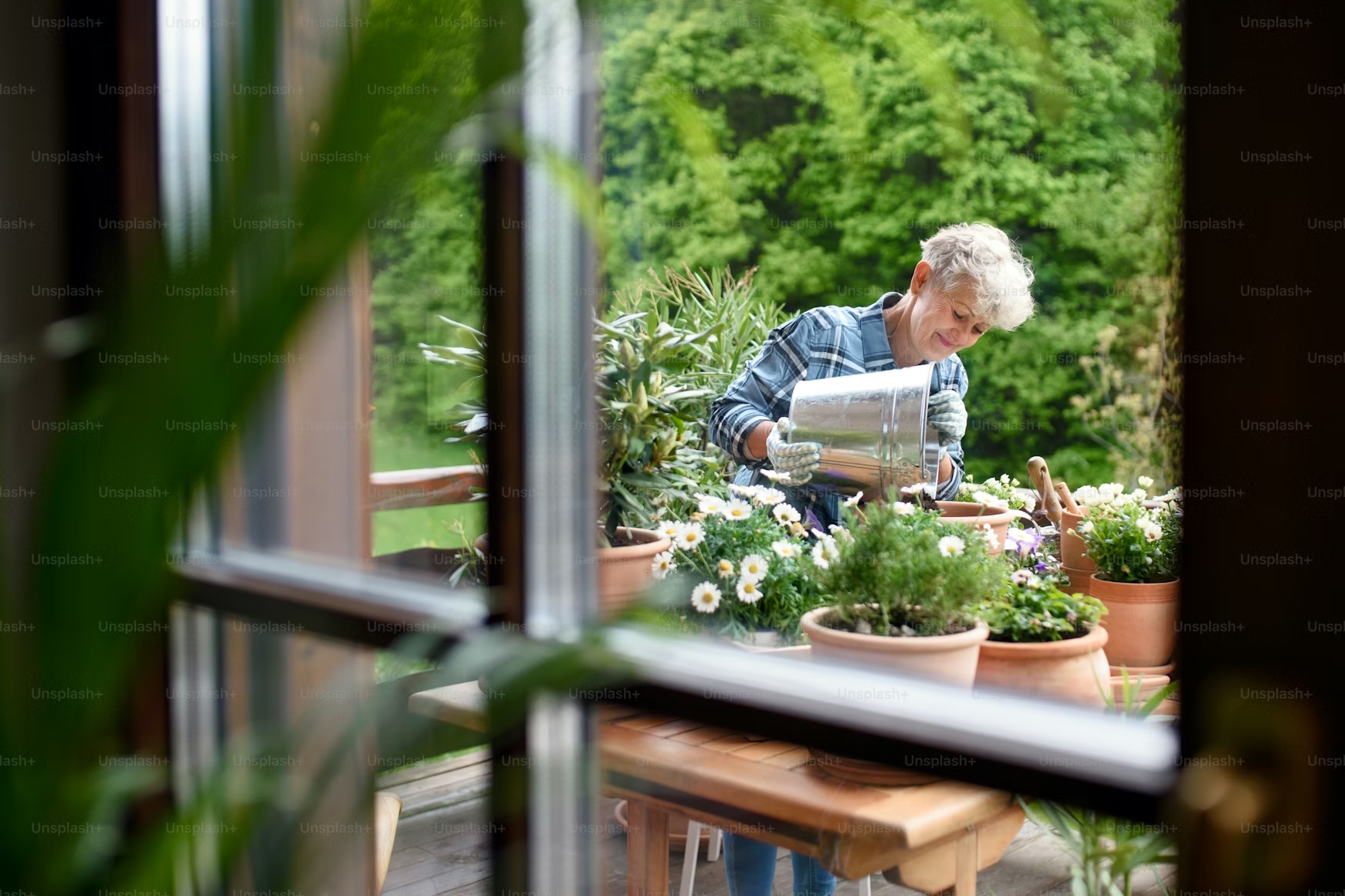
When families search for the right care home, they often focus on bedrooms, care services and staff experience. These are, of course, essential. But there is another feature that quietly makes a huge difference to daily life: the garden.
Care home gardens are far more than just outdoor spaces. They are places of calm, conversation, movement and memory. For many older people, access to fresh air and greenery is not simply pleasant, it is deeply comforting. In a care setting, that connection to nature can support both physical and emotional well-being in ways that families may not initially realise.
Why Outdoor Spaces Matter in Later Life
Spending time outdoors has been shown to improve mood, reduce stress and encourage gentle physical activity. For older adults, especially those who may no longer be able to travel independently, having safe and accessible outdoor space within their care home can feel like a freedom that has been restored.
A stroll along a garden path, sitting with a cup of tea in the sunshine, or watching birds in the trees can bring a sense of normality and peace. These moments may seem small, but they contribute to overall well-being every single day.
For families, knowing that a loved one can enjoy fresh air without needing to leave the grounds provides reassurance. Outdoor time does not need to be complicated to be meaningful.
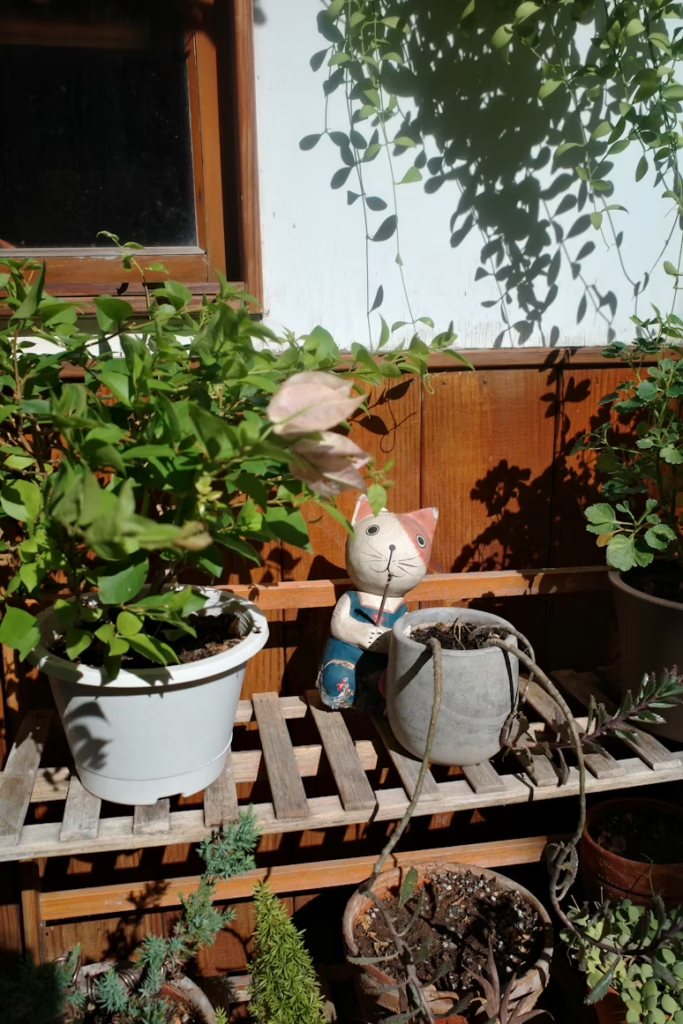

The Benefits of Gardening for the Elderly
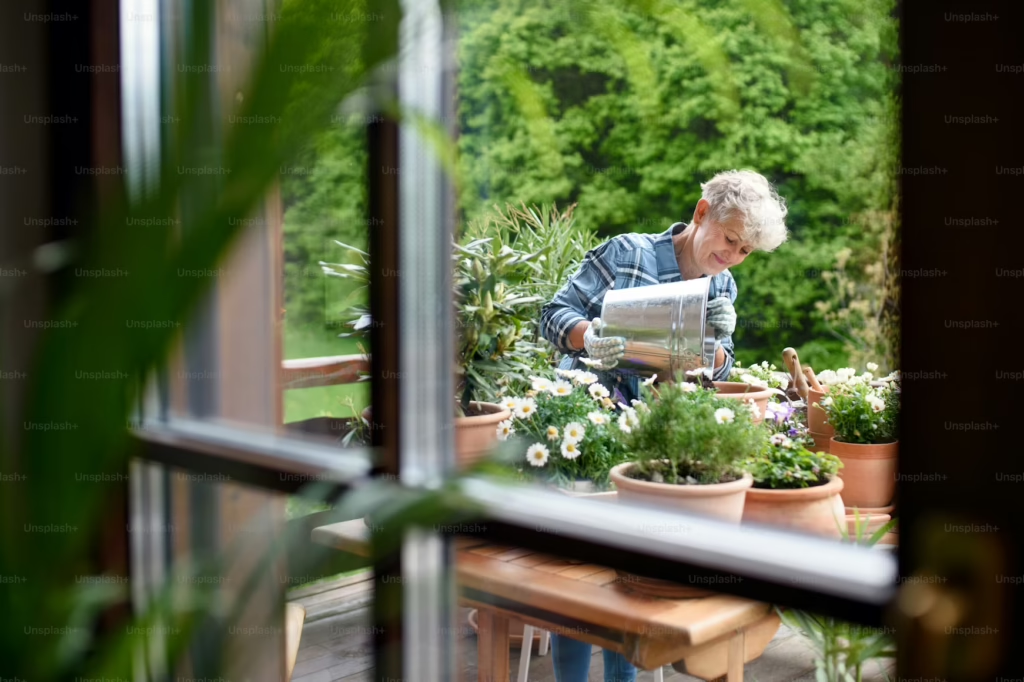
Many residents have spent decades tending their own gardens. For some, gardening was a lifelong hobby. For others, it was simply part of everyday home life. Gardening for the elderly within a care home setting can help maintain that sense of identity and purpose.
The benefits of gardening for the elderly go beyond enjoyment. Planting flowers, watering pots or caring for herbs encourages gentle movement, which supports flexibility and coordination. It keeps hands active and can help maintain fine motor skills.
There is also a strong emotional benefit. Watching something grow under your care brings a sense of achievement. It provides routine and something to look forward to. Even residents who do not wish to actively garden often enjoy being involved by choosing plants or sharing memories of their own gardens.
These simple, shared activities can spark conversation and connection between residents, staff and visiting family members.
Nature Therapy and Emotional Wellbeing
The idea of nature therapy is based on something very simple: being in natural surroundings helps people feel calmer and more grounded. The colours of flowers, the scent of lavender, the warmth of the sun on your face all stimulate the senses gently and positively.
For older people who may feel anxious or unsettled, especially during times of change, time outdoors can lower stress levels and create a sense of balance. Sitting quietly in a garden can feel restorative in a way that indoor spaces sometimes cannot.
Nature also encourages mindfulness. Watching leaves move in the breeze or listening to birdsong draws attention to the present moment. This can be particularly helpful for residents who may feel overwhelmed or restless.
Dementia Gardens and Sensory Support
For residents living with memory loss, access to a dementia garden can be especially valuable. A well-designed dementia garden is created with safety, accessibility and sensory stimulation in mind.
Clear walking paths that loop back to the same point help prevent confusion. Raised beds allow safe interaction with plants. Colourful flowers and scented herbs stimulate the senses and can trigger positive memories.
Gardens can support residents with dementia by offering a calming environment that reduces agitation. Outdoor time may help regulate sleep patterns and reduce feelings of frustration.
Families often worry about how dementia will progress and what daily life will look like. Knowing that a care home provides secure and supportive outdoor spaces can offer additional peace of mind.
Encouraging Movement in a Natural Way
Exercise does not have to take place in a formal setting. In fact, for many older adults, traditional exercise sessions can feel intimidating or tiring.
Care home gardens naturally encourage movement. A gentle walk to check on flowers, sitting and standing from garden benches, or helping with light planting all promote mobility without feeling like structured exercise.
Maintaining strength and balance is important in later life. Regular movement can help reduce the risk of falls and support independence. When that movement takes place in a pleasant, outdoor setting, it feels enjoyable rather than clinical.
Social Connection in Outdoor Spaces
Gardens are also social spaces. They provide a relaxed environment where conversations flow more naturally. Family visits can feel less formal when enjoyed outdoors, especially in warmer months.
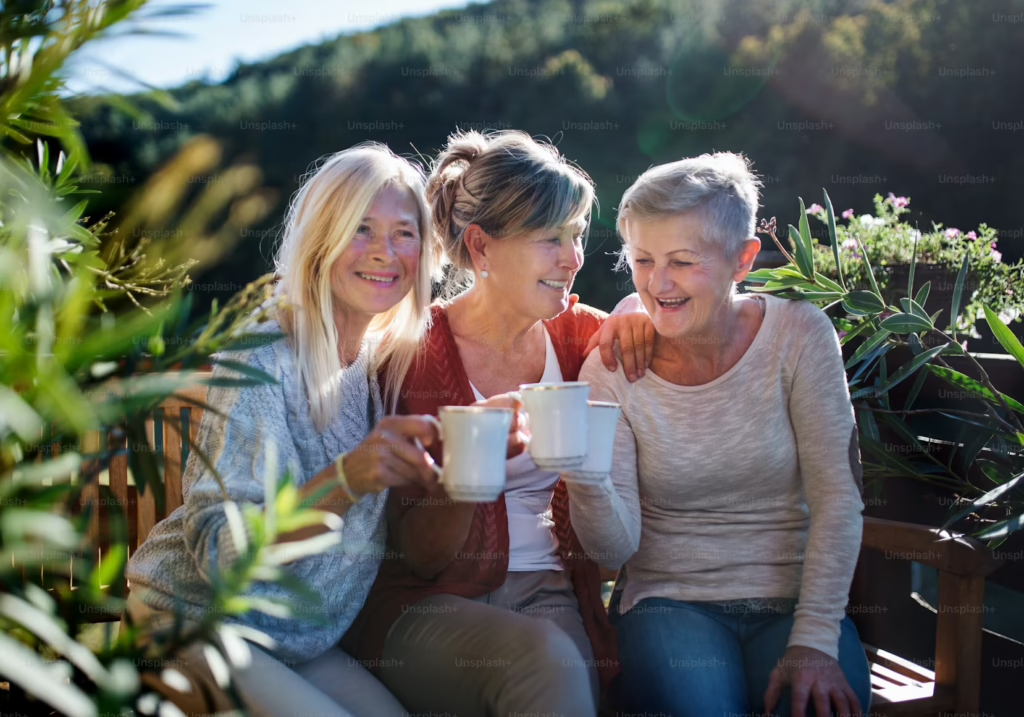
Residents may gather for afternoon tea in the sunshine, seasonal celebrations or small group activities. These shared experiences help build friendships and reduce feelings of isolation.
For families, seeing a loved one laugh in the garden or take part in outdoor activities can be deeply reassuring. It reflects a home where life continues to feel meaningful.
Safety and Accessibility
Of course, safety is always a priority in care home gardens. Paths should be even and suitable for walking aids or wheelchairs. Seating areas should offer shade as well as sun. Spaces should feel secure while still allowing residents to feel independent.
When gardens are thoughtfully designed, they become inclusive spaces where everyone can participate, regardless of mobility level.
The Importance of Care Home Gardens at Angusfield Care Home in Aberdeen
At Angusfield Care Home in Aberdeen, outdoor space plays an important role in daily life. The gardens provide residents with opportunities to enjoy fresh air, take part in gardening activities, or simply relax in peaceful surroundings.
Whether it is light gardening, spending time with family outdoors, or enjoying organised activities in the garden, these spaces support both physical health and emotional wellbeing. For residents living with dementia, access to safe outdoor areas can be particularly comforting.
When choosing a care home in Aberdeen, it is worth considering not only the care services provided but also the environment in which your loved one will spend their days. Gardens are not just an added extra. They contribute to quality of life, dignity and happiness.
If you'd like to take a quick tour of our home and see our gardens for yourself, please get in touch with our friendly team today.